Every project begins with a visit. Not a questionnaire, not a mood board exercise, not a video call — a visit. We come to the house, we walk through the rooms, we look at the light, we sit where the family sits. We want to understand the building before we start drawing.
This isn't efficiency — it's necessity. A room cannot be designed from photographs. Photographs flatten space, distort proportions, and mask the quality of light that gives a room its particular character. We need to stand in the space, feel its scale, and understand how the architecture shapes what's possible.
We also need to understand the people. How does the family actually use this house? Where do the children do homework? Where does everyone gather on a Sunday morning? Which room do you retreat to when you want quiet? These are the questions that determine whether a scheme works in practice, not just on paper.
Listening before designing
Our first meeting is almost entirely about listening. We want to understand your taste, your priorities, and — just as importantly — what you don't like. Sometimes the most useful thing a client can tell us is what they want to avoid. "Not too formal." "Nothing dark." "We had floral curtains in the last house and never again." These instincts are valuable because they're honest.
We'll discuss budget openly and early. Good design is possible at many price points, but it requires honesty about what's realistic. We'd rather design a beautiful scheme within a defined budget than present something aspirational that causes anxiety. If a client wants to phase the work — one room now, another next year — we'll plan accordingly so the pieces connect when the scheme is eventually complete.
Developing the scheme
After the initial visit, we return to the studio and begin developing ideas. This stage is not about presenting a finished vision on a silver tray — it's a conversation that evolves through several rounds of discussion and refinement.
We'll typically start with the floor plan, thinking about furniture placement, traffic flow, and how the room will be used day to day. Then we move to materials — fabrics, finishes, paint colours, flooring — bringing samples together on a board so you can see how they relate to each other.
We always work with physical samples rather than digital swatches. Colour on a screen is unreliable. Texture doesn't translate through a photograph. The moment a client holds a piece of fabric and sees it against a painted sample in the actual room, the conversation changes — you can feel the scheme becoming real.
Sourcing and making
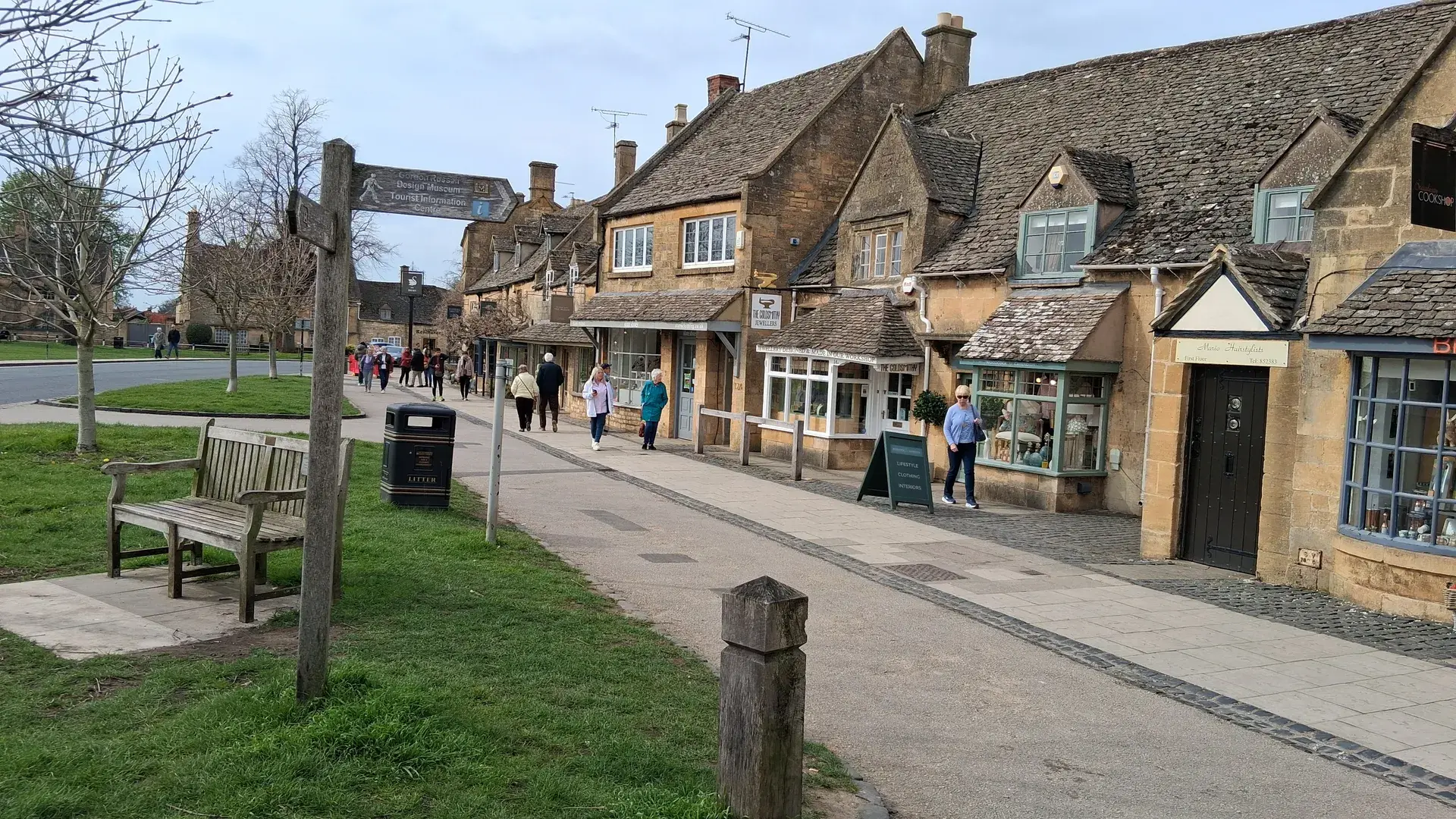
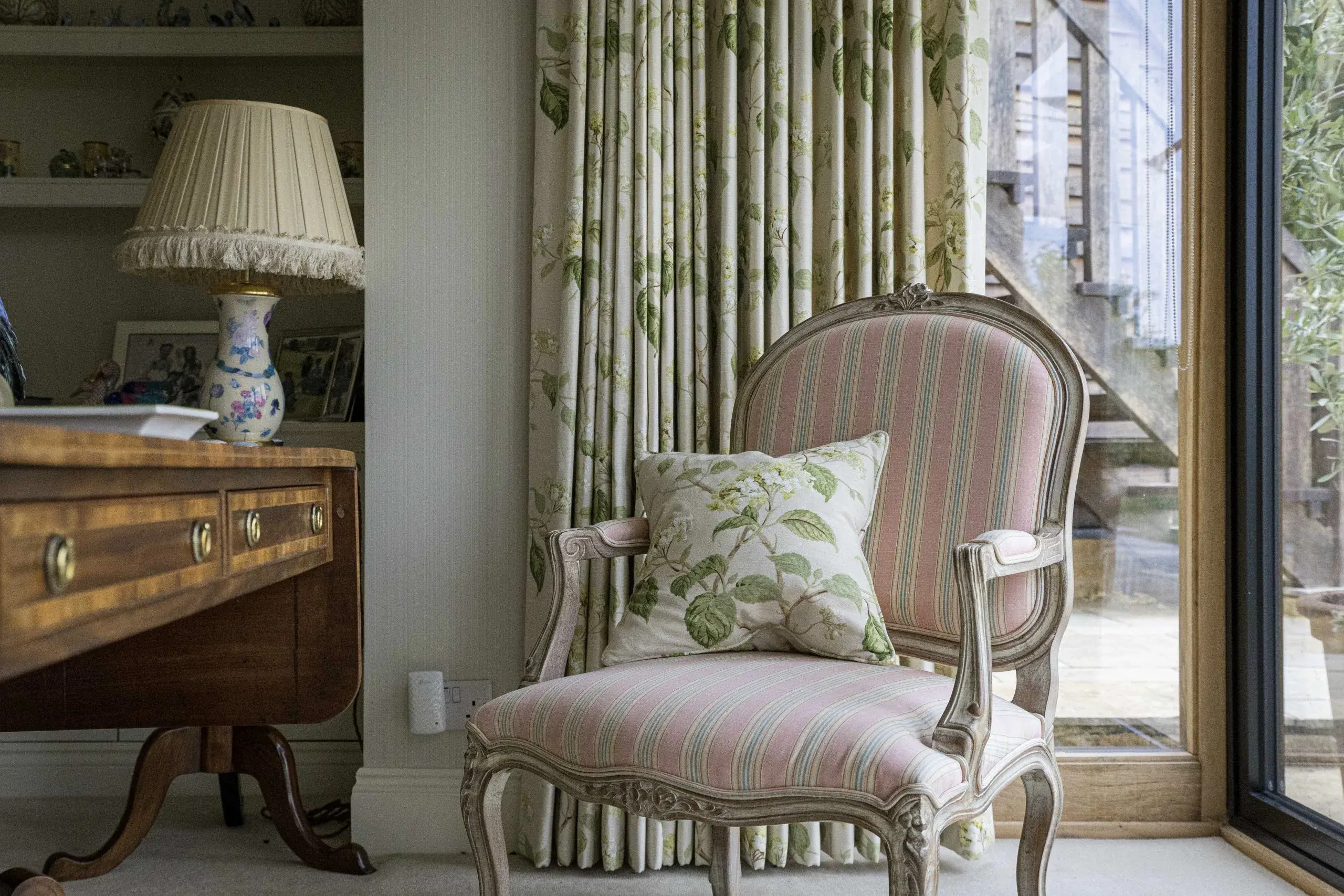
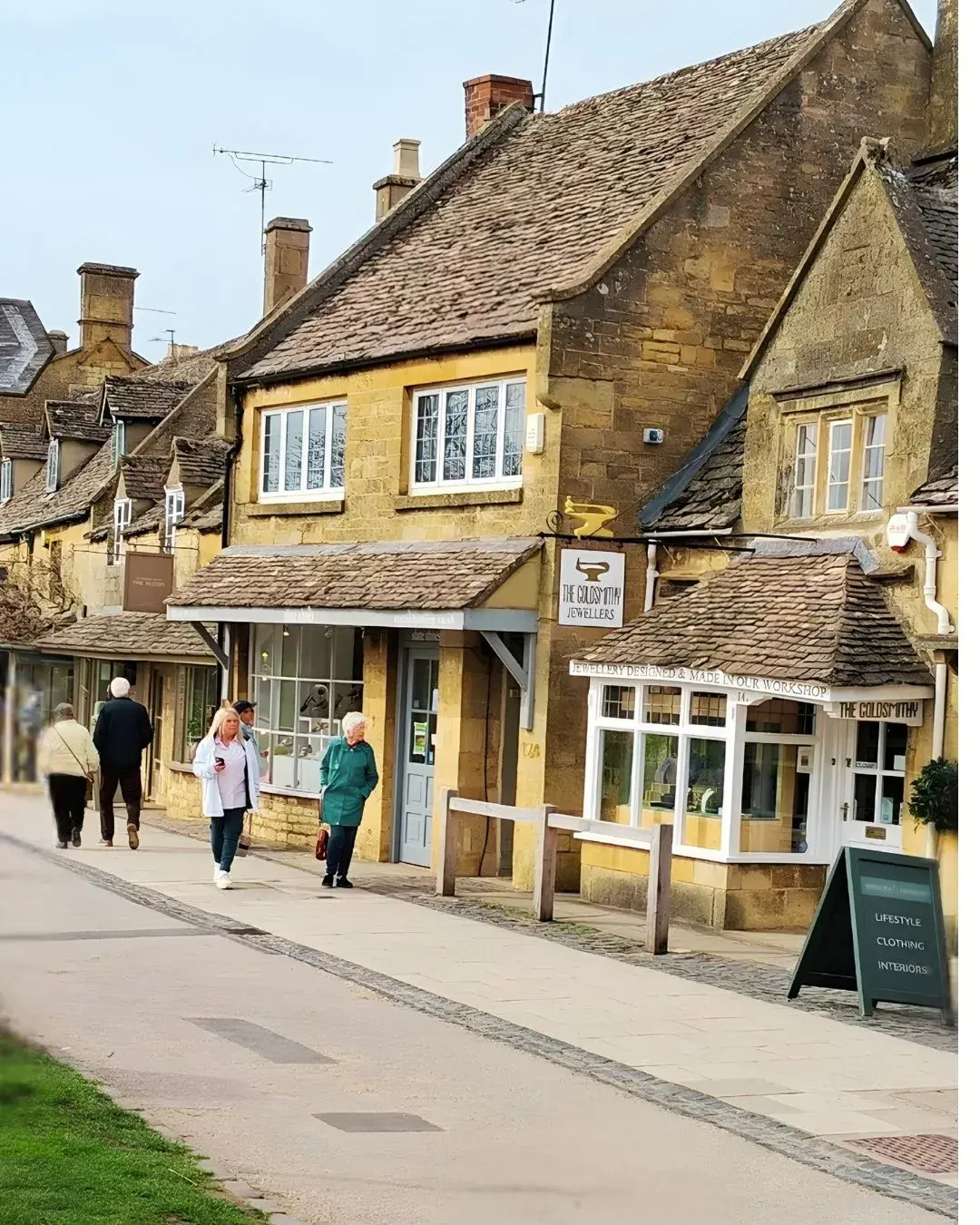
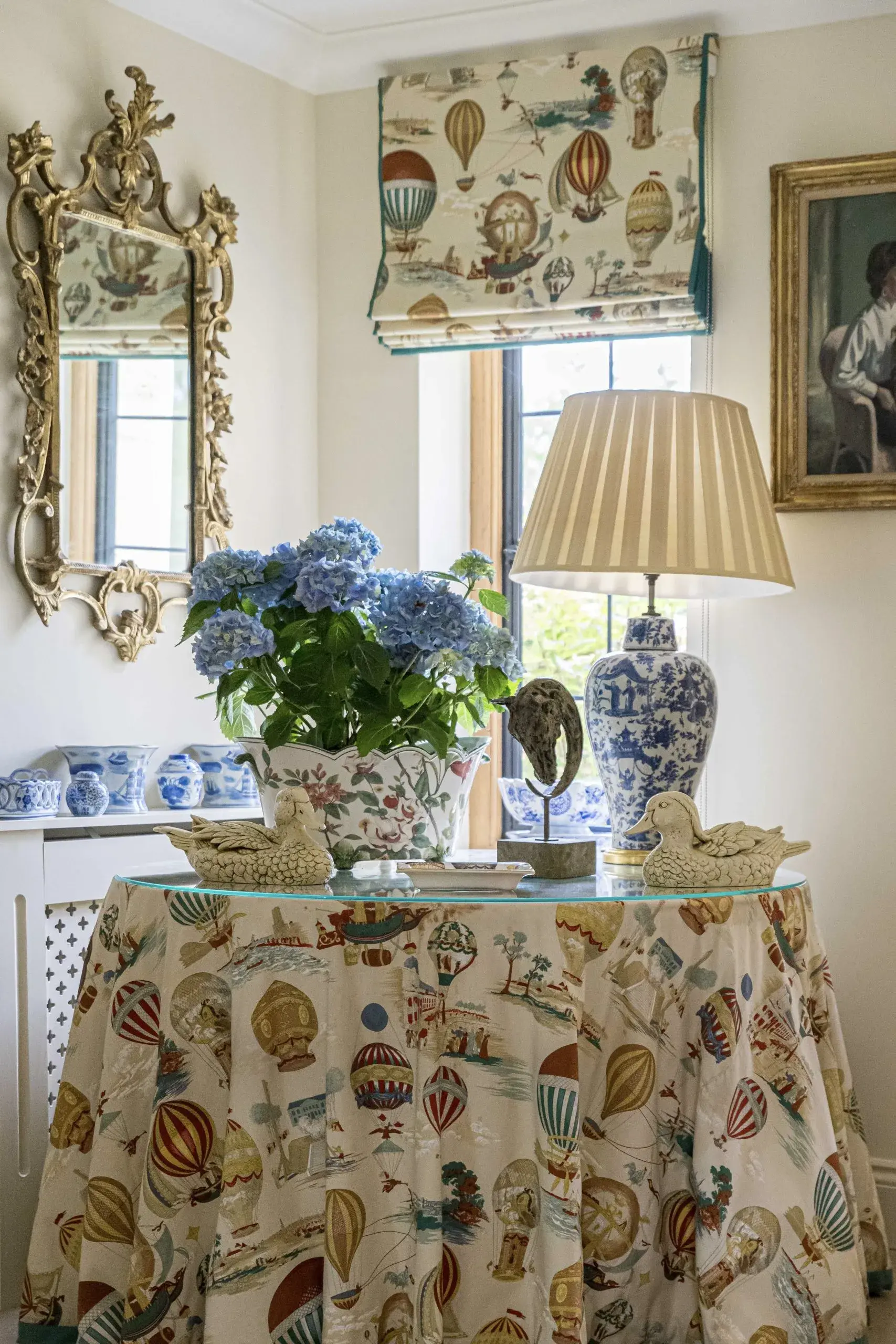
Once the scheme is agreed, we begin sourcing and commissioning. Some elements we make ourselves in the Broadway workshop — bespoke upholstered furniture, curtains, cushions, and soft furnishings. Others we source from makers and suppliers we've worked with for years: cabinetmakers, lighting specialists, rug dealers, antique houses.
We manage every element of the procurement process. Clients don't need to chase deliveries, coordinate tradespeople, or troubleshoot problems — that's our responsibility. We keep a detailed schedule and communicate progress regularly, but we try to spare clients the operational detail unless they want to be closely involved.
For commissions made in our workshop, clients are welcome to visit and see the work in progress. There's something satisfying about watching your sofa being built — seeing the frame, the springs, the layers of filling take shape under skilled hands. It connects you to the piece in a way that unwrapping a delivery box never quite manages.
Installation
We don't deliver furniture and leave. We install schemes — which means we're present when everything arrives, we position every piece, we dress every cushion, we hang every curtain, and we step back only when the room is complete. This final stage is where the scheme comes alive, and it requires the same care and attention as every stage that preceded it.
We'll often make small adjustments on the day — moving a lamp, re-angling a chair, swapping two cushions — because a room in reality never behaves exactly as it did on the plan. This is not a sign of imperfect planning; it's a sign of paying attention.
After
A completed project is not the end of the relationship. Fabric needs care, furniture needs maintenance, and tastes evolve. We're always available to advise — whether a client needs a sofa re-covered after fifteen years, wants to refresh a room with new cushions and curtains, or is ready to tackle the next phase of their home.
Many of our longest-standing clients have worked with us across multiple projects and multiple houses over decades. That continuity is something we value deeply. It means we understand not just the house but the people in it — what they love, how they live, and what will make them happy.