Appointing an interior designer is a strange purchase. You are committing a serious budget to someone before you have seen what they will make for you, and the industry does not make comparison easy. Some designers charge by the day, some take a percentage, some make their money on furniture. Some will design your whole house and some will not get out of bed for less than a full refurbishment.
If you own a home in the Cotswolds and you are weighing this up, here is what we would tell a friend to look for. Some of it points towards a studio like ours. Some of it does not, and we have said so where that is the case.
Start with the property, not the portfolio
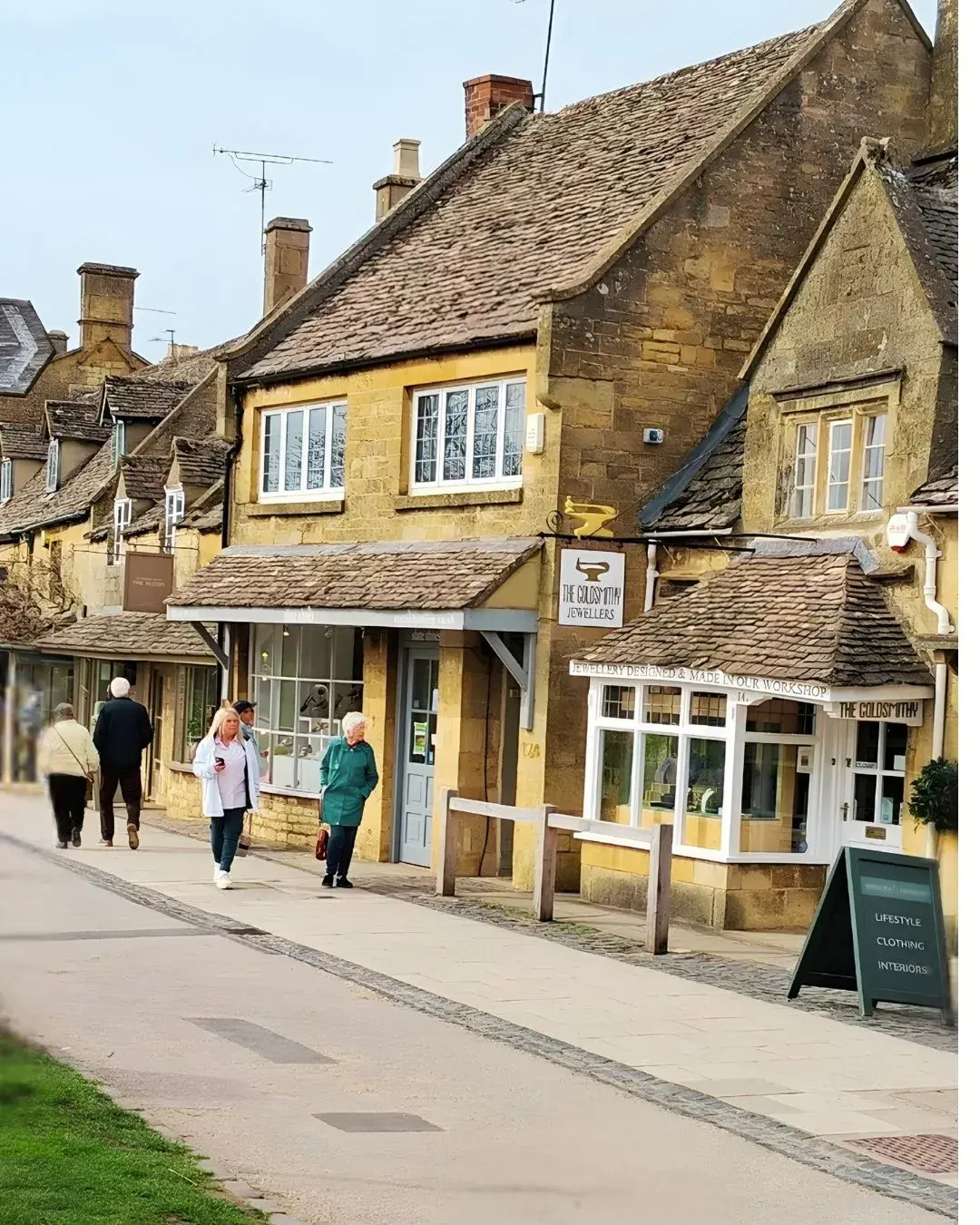
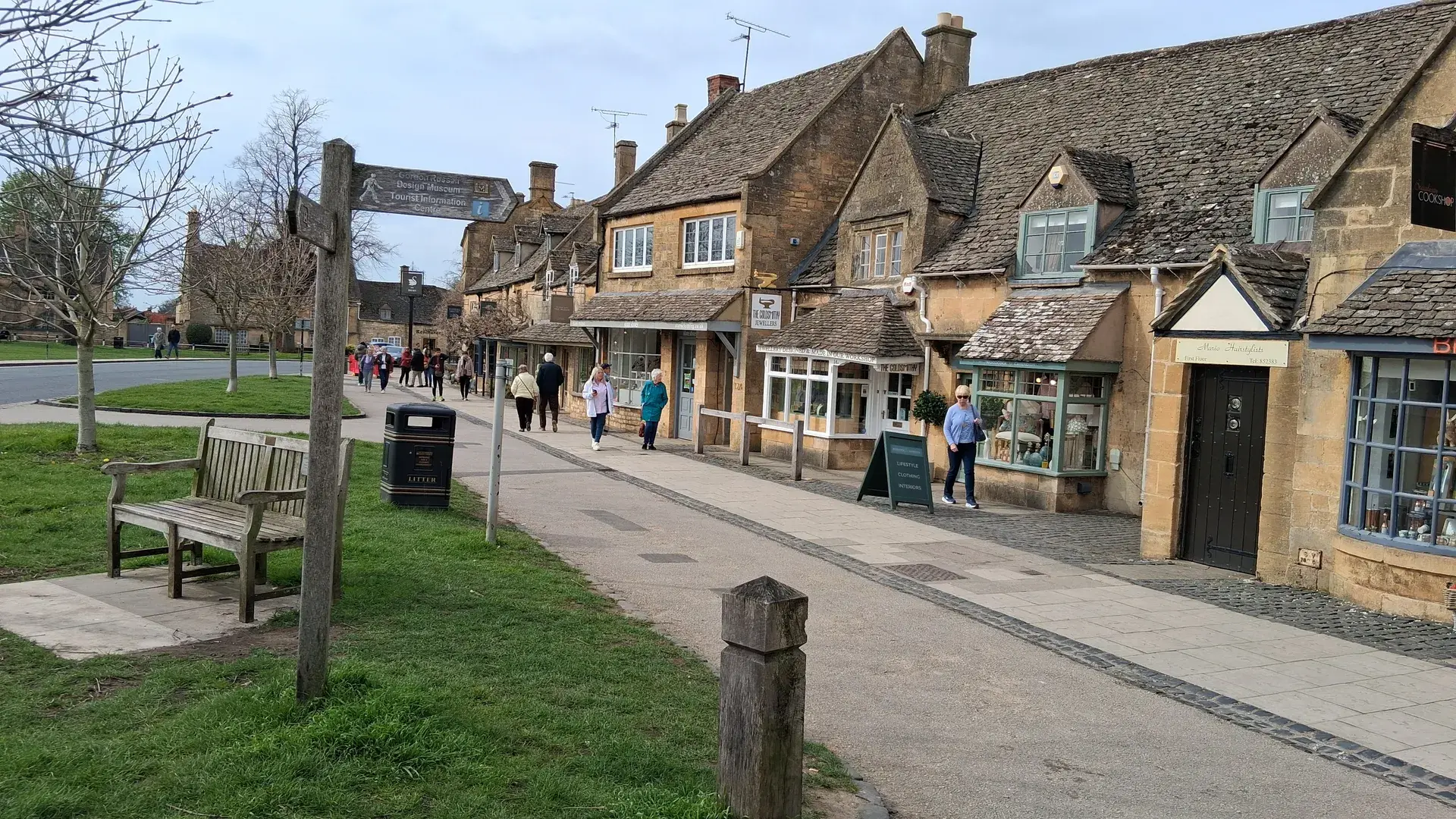
Cotswolds houses make specific demands. Thick stone walls that swallow light. Low ceilings and small window openings in older cottages. North-facing sitting rooms where a colour that looked warm in the sample book turns grey by mid afternoon. Many properties are listed, which limits what you can do to walls, floors and openings, and shapes everything from curtain fixings to radiator choices.
A designer who works mainly on London flats or new-build projects can produce a beautiful scheme that fights the building. So before you look at anyone's portfolio for style, look at it for property type. Have they worked with stone, with period joinery, with rooms that have evolved over centuries? Ask them directly how they handle a listed building consent conversation, and listen for whether the answer sounds lived-in.
Understand the three ways designers charge
Most UK interior designers use one of three fee models, sometimes in combination.
A flat design fee or day rate covers the thinking: concept, drawings, schemes, specifications. Day rates in this market run from a few hundred pounds to well over a thousand depending on the studio's standing. This model is transparent but the fee can grow if the project drifts.
A percentage of project spend, typically somewhere between ten and twenty per cent of the furnishing and decoration budget, is common for full-service work. It aligns the designer with the scale of the project, though you should ask what happens when the budget changes.
Margin on product is the quiet third model. The designer charges little or nothing for design time and earns on the furniture, fabric and pieces they supply. There is nothing wrong with this in principle, but you should know it is happening, because it shapes what gets recommended.
Whichever model you are quoted, ask for it in writing before work starts, ask what is excluded, and ask how changes are handled. A good studio will not flinch at any of those questions.
Ask where the making happens
This is the question we think matters most and the one people ask least. When your designer specifies a sofa, a pair of curtains or a reupholstered chair, who actually makes it?
For many designers the answer is a chain of trade suppliers they have never visited. That can work. But every link in the chain adds cost, lead time and a place for quality to slip, and when something arrives wrong, you find out how much control your designer really has.
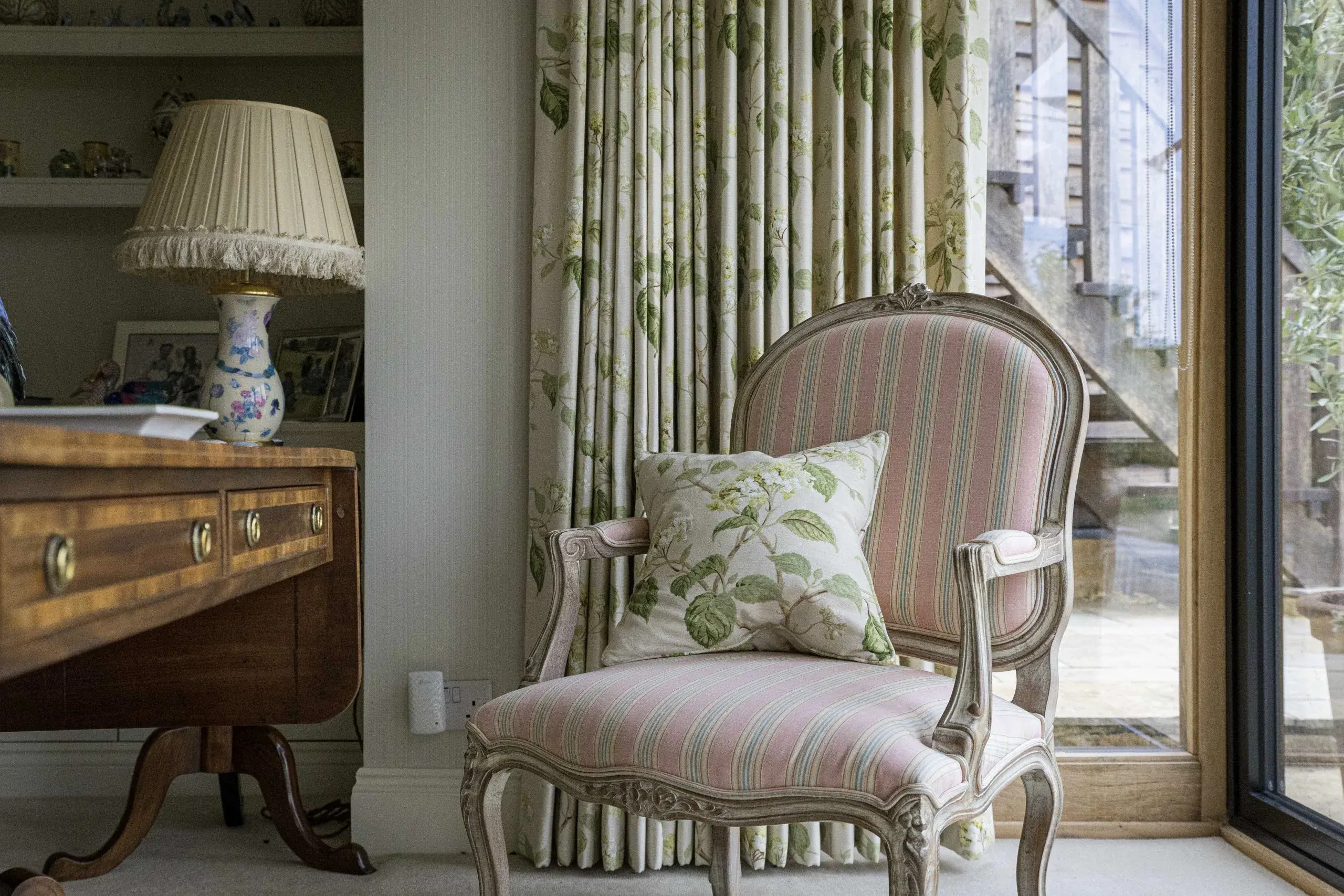
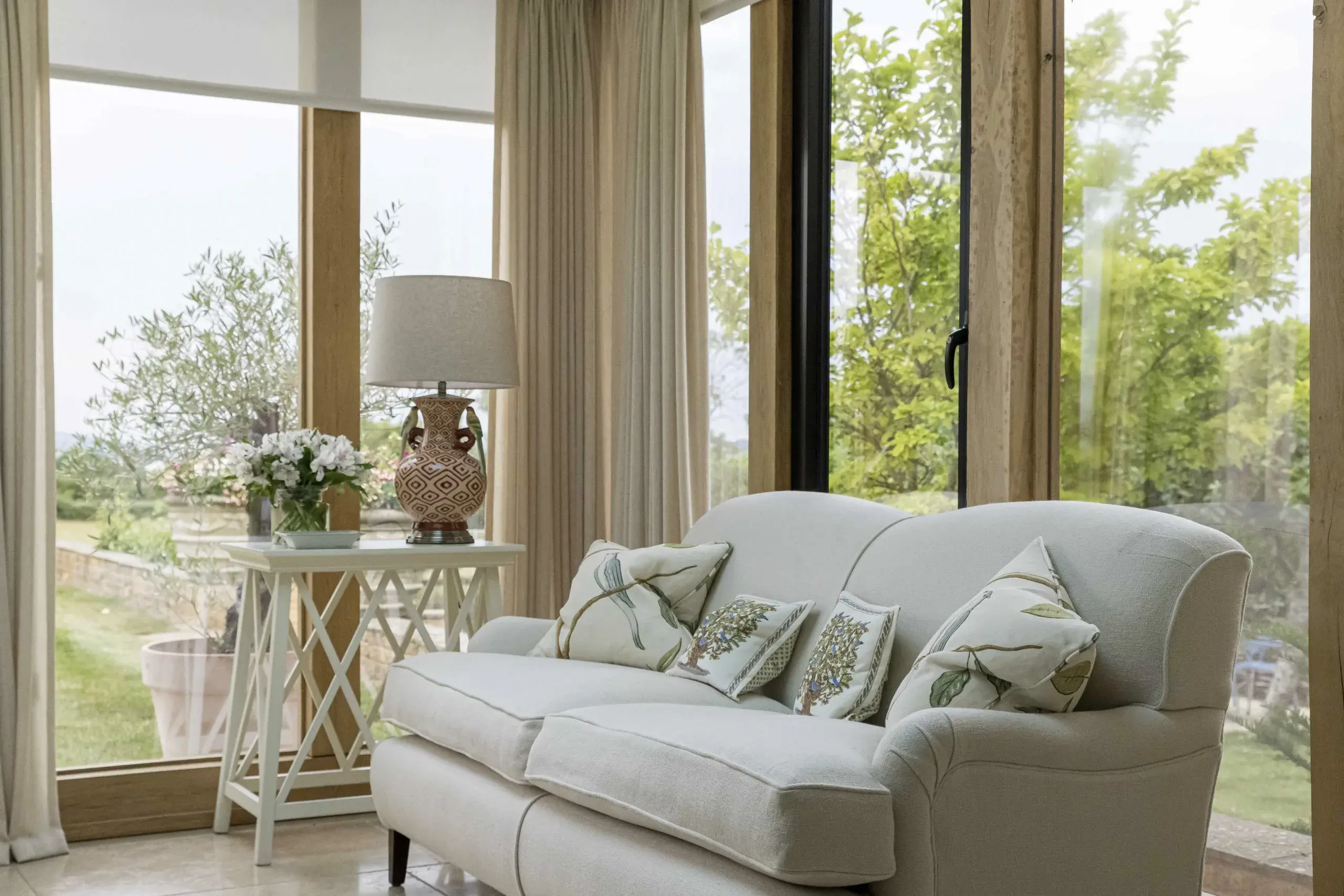
We are biased here, and openly so: Saverys has run its own workshop since 1942, and our upholstery is bench-made by our own people, with curtains and soft furnishings made in-house at our Ludlow workroom. When a client sits on a sofa we made, every decision from the frame timber to the stitching happened under our roof. Not every project needs that. If your job is a colour scheme and some well-chosen retail pieces, a decorator without a workshop may serve you perfectly well and cost less. But if the project involves bespoke furniture, upholstery or made-to-measure window treatments, ask the making question early. The answer tells you more than the portfolio does.
Look for evidence they will listen
The best predictor of a happy project is whether the designer designs for you or for their next photoshoot. You can test this in the first meeting. Do they ask how you live, who uses the room, what happens in it on an ordinary Tuesday? Or do they arrive with a look?
A designer with a strong signature style is not a problem if you love that style. It becomes a problem when your house is being conscripted into their brand. Ask to see two finished projects that look nothing like each other. If everything in the portfolio could be the same house, you know whose taste is in charge.
Practical questions worth asking
Before you appoint anyone, we would want answers to these:
- Who will actually work on my project day to day, and how often will I hear from them?
- What does the process look like from first meeting to finished room, and how long does a project like mine usually take?
- Can I see fabric and finish samples in my own rooms, in my own light, before committing?
- What happens if something arrives damaged or wrong?
- Can I speak to a past client with a similar property?
None of these are aggressive questions. Any established studio has been asked them all before and will answer without hesitation.
What working with us looks like
For transparency, since this whole piece has argued for it: Saverys is an interior design studio rooted in the Cotswolds, working across full room and property schemes, bespoke upholstery made in our own workshop, and curtains and soft furnishings made in our Ludlow workroom. Every project starts with a conversation about how you live, usually over a cup of tea in the showroom or in your own sitting room. Fabric decisions happen in your rooms, in your light, because that is the only place they can honestly be made.
If you are at the start of a project and want a second opinion, even if you are not sure a full design service is what you need, get in touch or visit us. We have been having these conversations since 1942 and we are happy to tell you if we think you do not need us.